

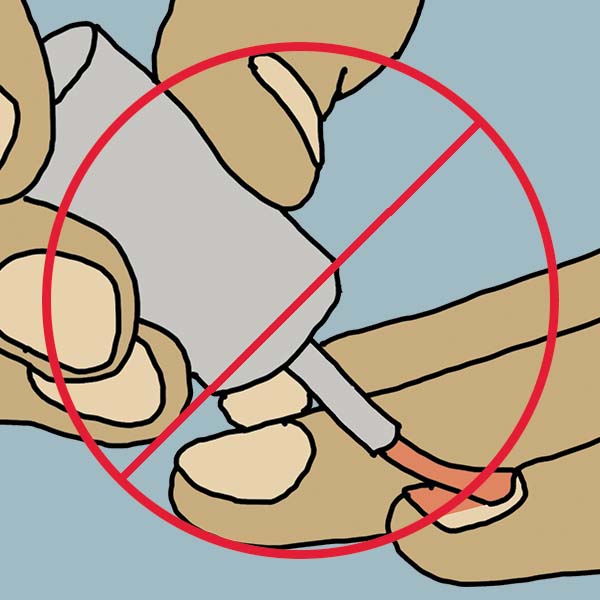
Good nail care during chemotherapy can mean changing the way you do things and not doing some of the things you’re used to doing. For example, avoiding scented soap and hand sanitisers, wearing gloves when working outdoors or doing the dishes, and not using nail varnish or wearing false nails.
This is not just a female thing. For both men and women, chemotherapy can disrupt the cells that enable nails to grow and cause nail damage ranging from mild to severe drying, splitting and/or cracking.
Chemotherapy nail damage may be not permanent and not everyone experiences nail damage.
However, depending on how severely your nails are affected during chemotherapy, nail damage can be painful, unsightly. Damage to fingernails can reduce finger dexterity damage to toenails can affect balance.
A way to prevent or reduce nail damage, inflammation and infection during chemotherapy is to use Polybalm in combination with good nail care.
Chemotherapy stresses your nails, leaving them more vulnerable to inflammation and infection. Good nail care during chemotherapy is all about reducing the risk of irritation and infection.
Learning about good nail care can have other benefits. After chemotherapy, you might even find yourself changing the way you do things and not doing some of the things you did before starting chemotherapy.
This is what we’ve learnt about good nail care during chemotherapy. If you have any suggestions, let us know so we can share them with others.
Being porous, they can absorb water, cosmetic ingredients such as those in nail varnish, and they can absorb Polybalm.
Why is this important? Because what you put on your nails absorbs into your nails.
As explained below, common use products can cause nail dryness and irritation when their ingredients are absorbed by the nails.
Hand sanitisers need to contain a minimum 60% alcohol content for them to be an effective antiseptic that can kill or inactivate bacteria and viruses.
When nails are under stress during chemotherapy, alcohol acts as an irritant that dries nails and makes them more susceptible to damage.
Polybalm suggests that, whenever possible, the better option is to wash your hands with soap and water and then take a moment to ensure the ends of your fingers and nails are thoroughly dry.
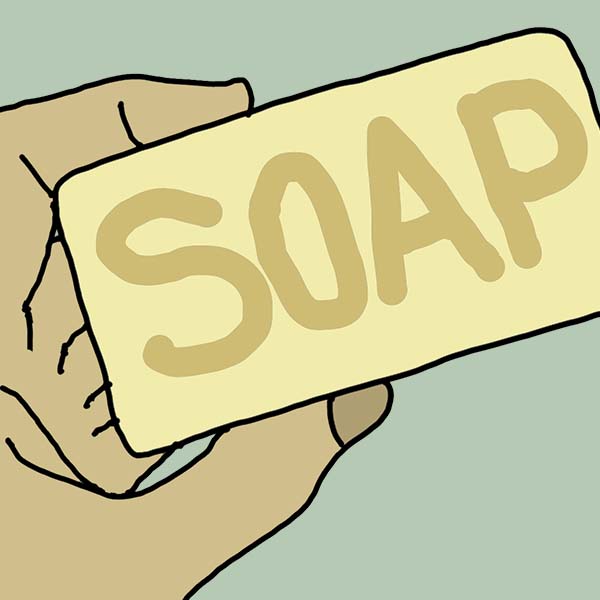
Actually, it was an advertisement for engine oil, but the message is the same. Not all soaps are the same.
We may like a soap with a fragrance, but this is usually a synthetic fragrance. We may also like a soap that seems to clean and foam easily, but this is usually because it contains a synthetic chemical called Sodium Laureth Sulphate (SLS). And, because commonly used commercial soaps need a longer shelf life, they need to contain synthetic preservatives (parabens).
During chemotherapy, these chemicals are likely to irritate the nails and the skin around the nails.
Using a natural soap can reduce irritation. Like Polybalm, a natural soap is made from naturally derived ingredients such as plant oils, botanical extracts and essential oils.
When washing your hands or feet, wetting them thoroughly then using the soap can reduce soap’s irritating effect on nails.
Nail biting can be a difficult habit to manage, but during chemotherapy it’s really worth trying.
Strange as it may seem, the human mouth contains some serious bacteria. When you bite your nails, bacteria are transferred from the mouth to the nails and skin under the nails. This might not be a problem when your nails are healthy. When your nails are under stress during chemotherapy, the risk of infection increases.
Commonly suggested nail-biting remedies such as applying bitter tasting polish and painting your nails can do more harm than good during chemotherapy.
Polybalm suggest wearing cotton gloves to help to interrupt the nail-biting habit.
Keeping your finger and toenails trimmed and clean can reduce the risk of physical damage and infection.
When nails are under stress, they can be more susceptible to tearing or being pulled off. Carefully trimming without over trimming your nails reduces the risk of physical damage.
If one of your nails becomes loose, do not pull it off. Letting it fall off naturally reduces damage to the nail bed. Lightly bandaging the nail and finger or toe reduces the risk of the nail getting caught or pulled off whilst moving about.
Gently cleaning under your nails and around the nail bed with a wooden nail pick (metal picks can cause damage) is a good way to reduce debris that may contain fungus and bacteria.
If you feel a pedicure could be good for the spirit, there are a couple things to discuss with your beautician before they start.
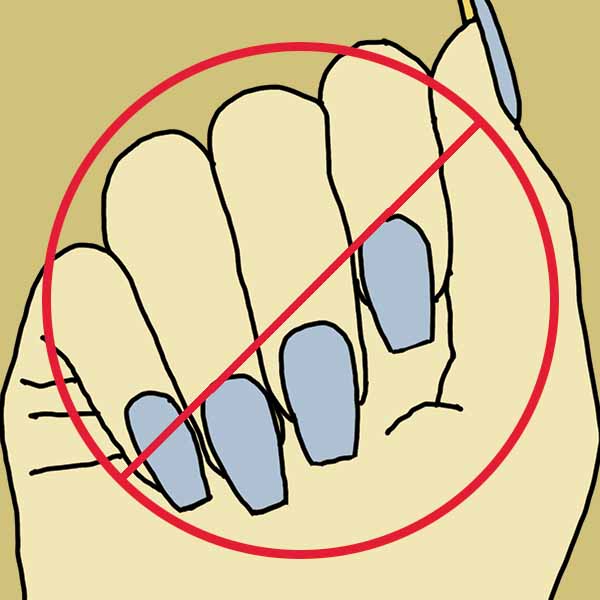
Whilst some suggest wearing dark nail varnish or polish during chemotherapy, there is no clear evidence supporting the practice. If you choose to wear nail varnish (or polish), using a water-based varnish can reduce or avoid exposure to chemicals such as toluene, formaldehyde, and dibutyl phthalate (DBP) that are used in other nail varnishes. Then, when removing your nail varnish, choose a remover that is acetone-free to reduce the nail drying effect and then moisturise and nourish your nails with Polybalm.
Try to avoid artificial nails. These can increase the risk of infection because bacteria can collect around and
under the artificial nail. The chemicals used to remove false nails can cause drying and further stress your nails during chemotherapy.
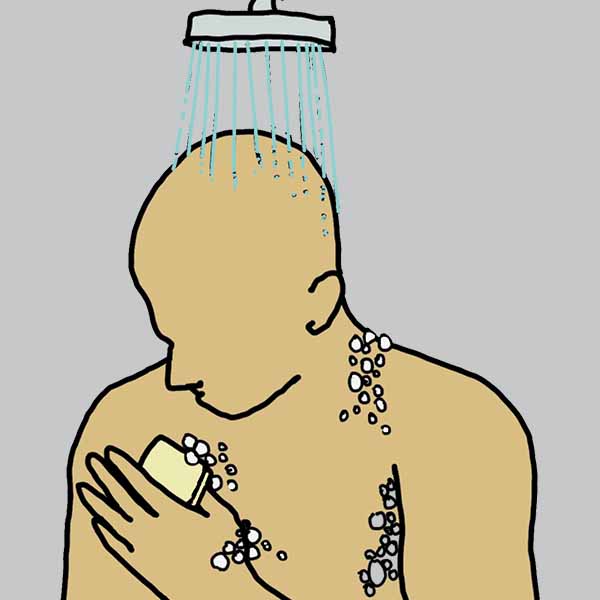
If you’re using Polybalm, the water absorbed when your nails are immersed in water tends to dilute the balm that has been previously absorbed by the nail. That’s why it’s suggested that your twice a day application of Polybalm is best done after your nails have been in water.
Thoroughly drying fingers and toes after being in water reduces the risk of fungal infection.
This is especially important for the toes because they are often enclosed, and toenails tend to be affected by chemotherapy sooner than the fingernails.
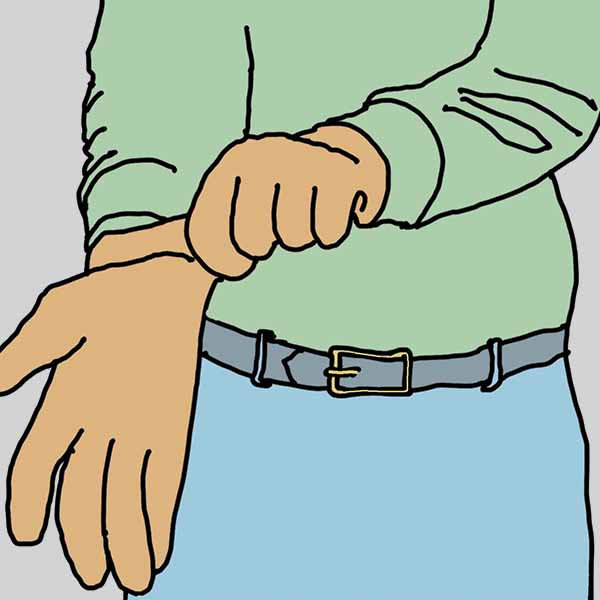
Wearing rubber gloves whilst washing dishes, cleaning or washing the car prevents exposure to the harmful chemicals in most detergents and cleaning solutions. If your fingers tend to sweat inside the gloves, take a couple of minutes to thoroughly dry them with a clean cloth, then moisten and nourish them with Polybalm.
It seems that good nail care might have three underlying principles.
This is a common theme through a lot of our product research. Fragrance is a good example.
We might like the way our soap (or dishwashing liquid, washing powder etc) smells, but when you read the label all you see is chemicals. Why? Because synthetic chemicals are commonly used to create the smell.
As explained above, synthetic chemicals can irritate the nails and the skin around the nails.
Chemotherapy is likely to put your nails under stress, even if you’re fortunate enough to have mild or no nail damage. So avoiding finger and toenail infection can be good risk management.
What we’ve learnt is that the risk of infection can be higher if fingernails, toenails and the surrounding skin are not protected when working (in the shed, gardening, cleaning etc) or there is cross contamination (e.g. nail clippers used by everyone, pedicure equipment that is not sterilised, Polybalm hand and toe treatments not kept separate).
Why is drying is different to dryness?
Drying is an important step in managing chemotherapy nail damage because it removes the surface moisture that can promote fungal growth. Yes, we all dry ourselves after a shower, but sometimes we might not take that extra couple of minutes to carefully dry around and between our toes.
Dryness is a symptom often associated with chemotherapy nail damage. After thoroughly drying your fingers and toes, applying Polybalm acts as an antidote to chemotherapy, preventing damage to the developing nail cells and reducing secondary damage from inflammation and infection.
STUDIO
If You're in WA, Drop-in for a Fitting
31 Teddington Rd Burswood WA
Monday to Friday 10am to 4pm and Saturday 10am to 2pm
PHONE
Quick and Easy, from Anywhere in Australia or New Zealand
T (08) 9361 1300
ONLINE
Purchase with Confidence from Our Australian & New Zealand ONLINE Fitting Studio

